Complete dental care for every age — implants, veneers, cosmetic & emergency dentistry, all under one roof.
Watch real patients share their smile transformation journeys at Your Family Dentist.
Get the right solution to unique dental concerns at Your Family Dentist & Dental Care, Liverpool.
Permanent, natural-looking tooth replacement.
Bespoke porcelain veneers for a flawless smile.
Precision digital dentures & smile design.
Gentle wisdom teeth & surgical extractions.
Custom crowns designed & fitted in one visit.
Discreet clear aligners to straighten teeth.
Gentle kids' dentistry — CDBS bulk-billing.
Pain-relieving therapy that saves your teeth.
Take a tour of our Liverpool practice — designed to feel less like a clinic and more like a retreat.
Complete dental care for families and individuals of all ages.
At Your Family Dentist in Liverpool, whether you need emergency dental care, are interested in cosmetic dentistry like veneers or teeth whitening, or are seeking gentle children's dental services, our caring team is here for you. We also offer dental implants and advanced solutions to restore your confident smile — all under one roof.
Dr Shaveta Bhayani and Dr Nick Bhayani, with a combined experience of 25+ years, have served thousands of patients across Sydney and beyond. Dr Shaveta, along with her spouse Dr Nick, started Your Family Dentist in Liverpool in 2014.
Our doctors' approach to providing tailored dental care for specific concerns is commended by patients and has made them renowned dental experts in Liverpool.
Along with a team of technicians and clinical staff, they find meaning in transforming smiles and restoring confidence for people from all walks of life.
Learn More About Us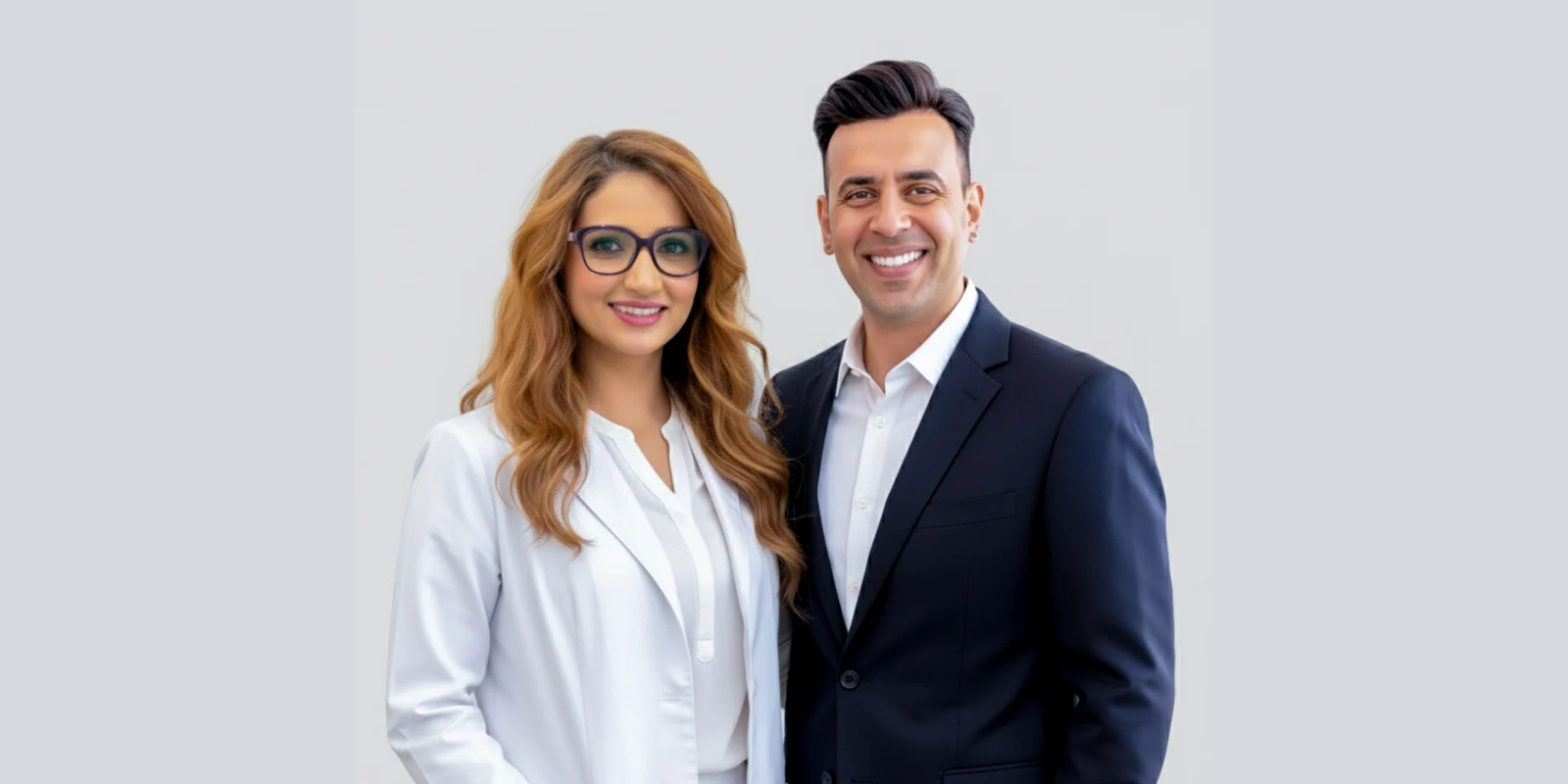
Dr Sapna was incredibly gentle, patient and professional. She explained everything clearly and made sure I felt comfortable. Highly recommend Your Family Dentist Liverpool.
I had 3 implants done which only took 4 months for the whole procedure. Dr Sapna looked after me very well. Kind-hearted staff — highly recommend.
I wanted veneers and crowns to achieve a nice smile. Dr Shaveta and Tracey were absolutely amazing and gave me my confidence back. Exceeded my expectations.
A unique approach to making every visit feel effortless.
Life doesn't wait around — so we provide same-day appointments.
Soft lighting and soothing colours create a cosy retreat.
Catch up on your favourite show during your visit.
Warm smiles from the moment you walk through our doors.
Quality dental care should be accessible to everyone — so we make it easy to spread the cost.
With our own in-house payment plan, you don't pay for your entire treatment upfront. We structure your treatment into clear stages, so you simply pay for each appointment as you go — making even larger smile makeovers comfortable and stress-free.
Your full treatment is broken into clear, manageable appointment stages.
You pay only for the treatment done at each appointment — separately.
No big lump sum, no surprises — just a clear, affordable path to your new smile.
Prefer to finance externally? We also partner with Australia's leading payment providers.
Modern, gentle and affordable care for every member of your family.
We offer a full range of services including general check-ups, dental implants, veneers, emergency care, children's dentistry and cosmetic treatments.
Yes, we're open on Saturdays for your convenience. You can book at either our Liverpool or Blacktown clinic.
Yes! We have two locations: one in Liverpool, NSW and one in Blacktown.
Absolutely. We provide flexible payment plans through Zip, Humm, TLC, SuperCare and DentiCare to make your dental care more affordable.
Yes, we specialise in gentle, friendly care for children. Our team makes sure every little one feels safe and happy.
Book online now and claim your free consultation — a limited-time offer at our Liverpool & Blacktown clinics.