
Tanish Tanjil
6 months ago
I’m an international student and just had a dental filling done today at Your Family Dentist Liverpool, and I had such a positive experience. Dr Sapna was incredibly gentle, patient, and professional. She explained everything clearly and made sure I felt comfortable throughout, which really meant a lot to me.
Zara, the dental nurse, was also so kind and supportive. She made the whole process feel calm and reassuring from start to finish.
As someone new to the healthcare system here, I really appreciated how welcoming and caring they both were. The treatment was smooth, and the result looks great. I would highly recommend Your Family Dentist Liverpool to anyone looking for a trustworthy and compassionate dental team.
Zara, the dental nurse, was also so kind and supportive. She made the whole process feel calm and reassuring from start to finish.
As someone new to the healthcare system here, I really appreciated how welcoming and caring they both were. The treatment was smooth, and the result looks great. I would highly recommend Your Family Dentist Liverpool to anyone looking for a trustworthy and compassionate dental team.

Aralai Fifita
6 months ago
It makes me so comfortable to come over here for the treatment . Specially Katherine is so gentle while doing the treatment. I recommend to all those who wants to do the dental treatment with the best care.
Thank you.
Thank you.

amanda
6 months ago
I had made a Facebook enquiry and within 1 day I recieved 7 phone calls I advised that I would like to removed from the calling list , recieved 2 further calls where I again asked to be removed then a what’s app message where I sent official feedback about the constant calling and requested they pass this on to the practice owner, I then blocked that number and recieved more phone calls again . This is the worst approach I have ever seen and deeply regret making the enquiry and the sheer desperation of calls is concerning even though I provided feedback and asked that this be actioned. This is now a form of harassment and concerning

Lisa Atkins
7 months ago
Very friendly, cheap prices compared to other dentist ,thank you Liverpool family dentist for giving me a new set of teeth .I finally have the confidence to smile again .

Mehdi Shaohani
8 months ago
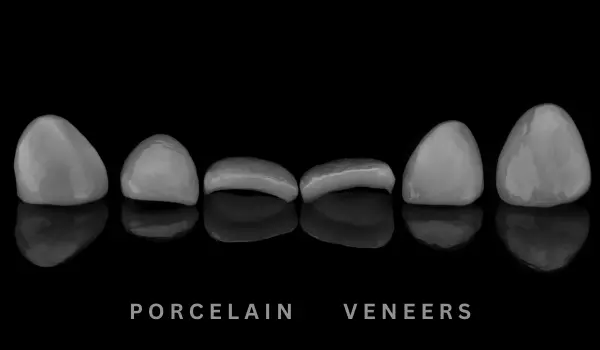
This dentist is very good, good service and cheap price compared to other places. I have had 10 veneers done. I am very satisfied. Thank you to all the staff. They are very kind and respectful.
Renuka Devi
9 months ago
Im very much happy with Your family dentist at Liverpool, they did very good job on my Dental inplant. I had 3 inplant done whi h o ly took only 4 months for the whole procedure. Dr. Sapna is my favourite she looked after me very well. Congratulations to the whole team of Your family dentist you guys doing great job. Kind hearted staff
Highly recommend
Kind Regards
Renu
Highly recommend
Kind Regards
Renu

Maral Boyrazian
9 months ago
My experience here was sublime. Dr Shavita and Dr Nick the principal dentists gave me a pleasant experience despite my usual struggles when visiting a dentist. They had calming music playing throughout with beautiful videos of nature. They were delicate in their approach which met my needs and constantly assured me making sure I was fine during the procedure. They were very friendly and provided me with a fun loving experience. Many of their staff also went above and beyond. I would recommend and will be returning to utilise their services. Hopefully the end result that I am looking for will be achieved.

Jagdeesh Sahay
10 months ago
Great friendly and welcoming. The reception and human touch lightens the painlace

Iman D
10 months ago
Excellent job

Dempsey Anderson
10 months ago
Awesome job done by the team on my front implant crown ! Exactly the design I asked for couldn’t be happier !

ltn nifmed
10 months ago
Staff are always very nice. My actual dentist is very patience and very gentle at all times.
Thank you
Thank you

Akenese Mafulu
10 months ago
I am very happy with your services

anthony anthopoulos
10 months ago
My second visit, very impressed as first time, just perfect as before, i recommend them to all my relatives and my friends.

Ave
10 months ago
I finally found the best dentist for myself, I love the staff they are so kind,. lovely people esp the treatment they provide for me, thank you so much 🙏🙏

Timote Makaui
11 months ago
Life changing experience and extremely friendly staff and doctors, highly recommended 10 stars

Troy March
11 months ago
Fantastic Dentist and staff highly recommend to all thank you for fixing my teeth
Troy March
Troy March

Nada Shojaiefard
11 months ago
I’ll just start by saying thank you, thank you to the team at Your Family Dentist in Liverpool - from when you first walk in and are greeted by the always happy and always helpful receptionist’s to the caring and skilled doctors and assistants.
I brought my dad in at first because he was in pain, only to find out that he needed some serious work done. We were basically hand held and guided through the entire process with no details missed. The ladies at reception helped us with payment options. They worked with our hectic schedules, had a comforting setting ready at every visit and were just awesome altogether.
We are now repeating the same process but for my mum. I will recommend this dental practice to anyone that will listen. The owners are very involved and really care about safety and quality.
Thanks again team - you are truly appreciated 🙂
I brought my dad in at first because he was in pain, only to find out that he needed some serious work done. We were basically hand held and guided through the entire process with no details missed. The ladies at reception helped us with payment options. They worked with our hectic schedules, had a comforting setting ready at every visit and were just awesome altogether.
We are now repeating the same process but for my mum. I will recommend this dental practice to anyone that will listen. The owners are very involved and really care about safety and quality.
Thanks again team - you are truly appreciated 🙂

F Johnston
11 months ago
It is called Your Family Dentist and that's how they treated me like a family member.
Highly Recommended Dentist. Infact my family members are very happy with their treatments too.
I appreciated the warmth of staff and their professionalism. They treat you with respect, calm, and they actually listens to what you're saying and give advice you want to hear regards to your treatments. I pay my treatments as I go as I refuse to go on plan and they respected that.
My over revelations looking at My Family Dentist is they are a blessings by employing lots of highly valued skilled staff, and they created miracles to every patients that uses their services. What they did to my teeth should last me for decades to come 100%.
Highly Recommended Dentist. Infact my family members are very happy with their treatments too.
I appreciated the warmth of staff and their professionalism. They treat you with respect, calm, and they actually listens to what you're saying and give advice you want to hear regards to your treatments. I pay my treatments as I go as I refuse to go on plan and they respected that.
My over revelations looking at My Family Dentist is they are a blessings by employing lots of highly valued skilled staff, and they created miracles to every patients that uses their services. What they did to my teeth should last me for decades to come 100%.

Samira Trad
11 months ago
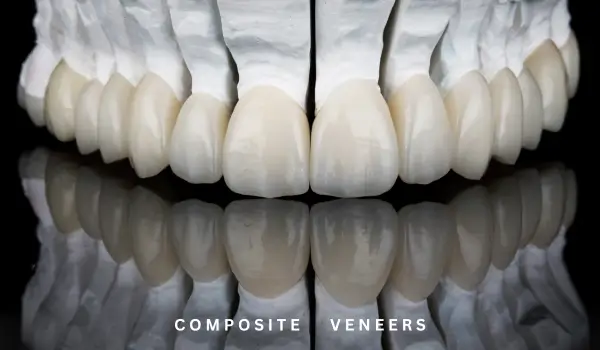
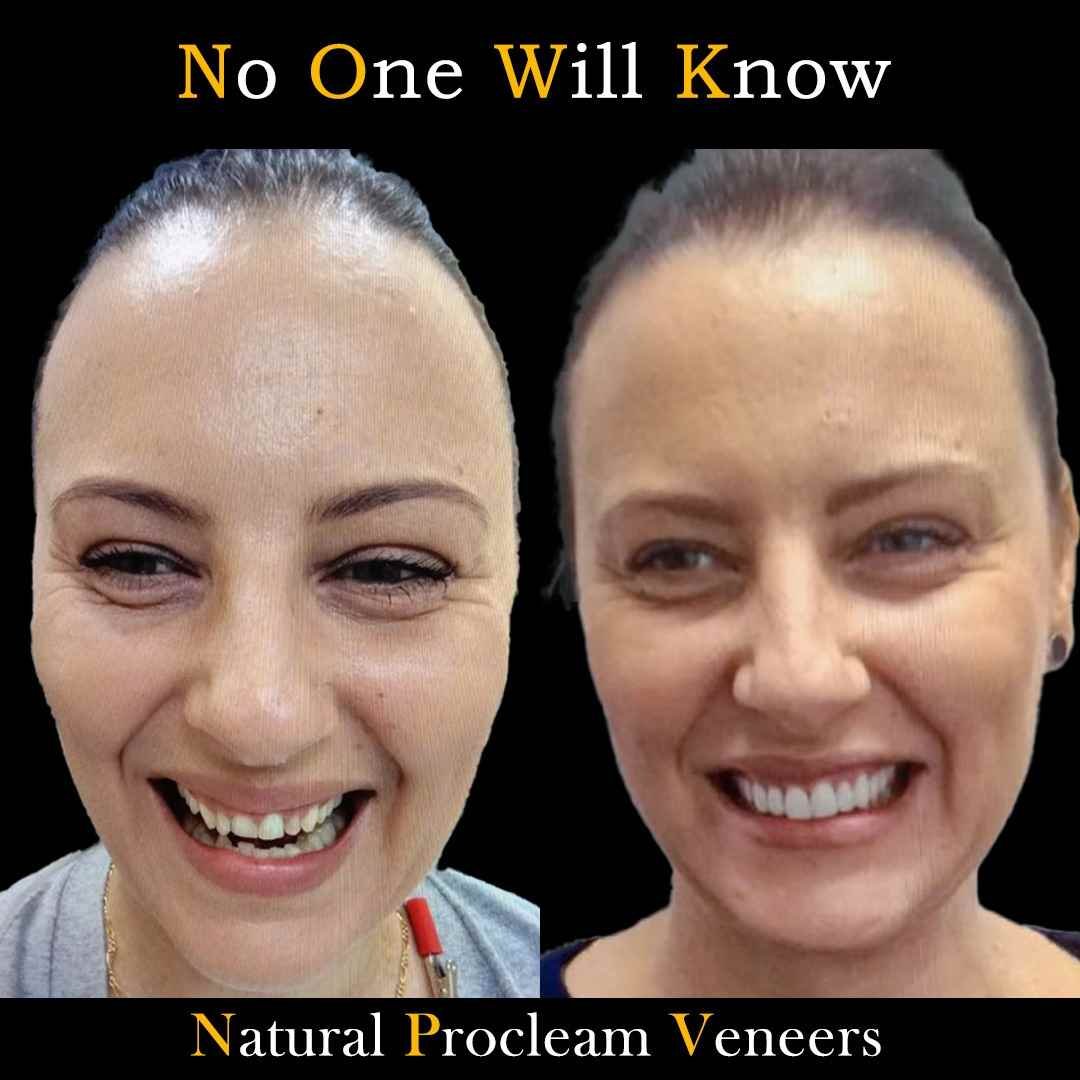
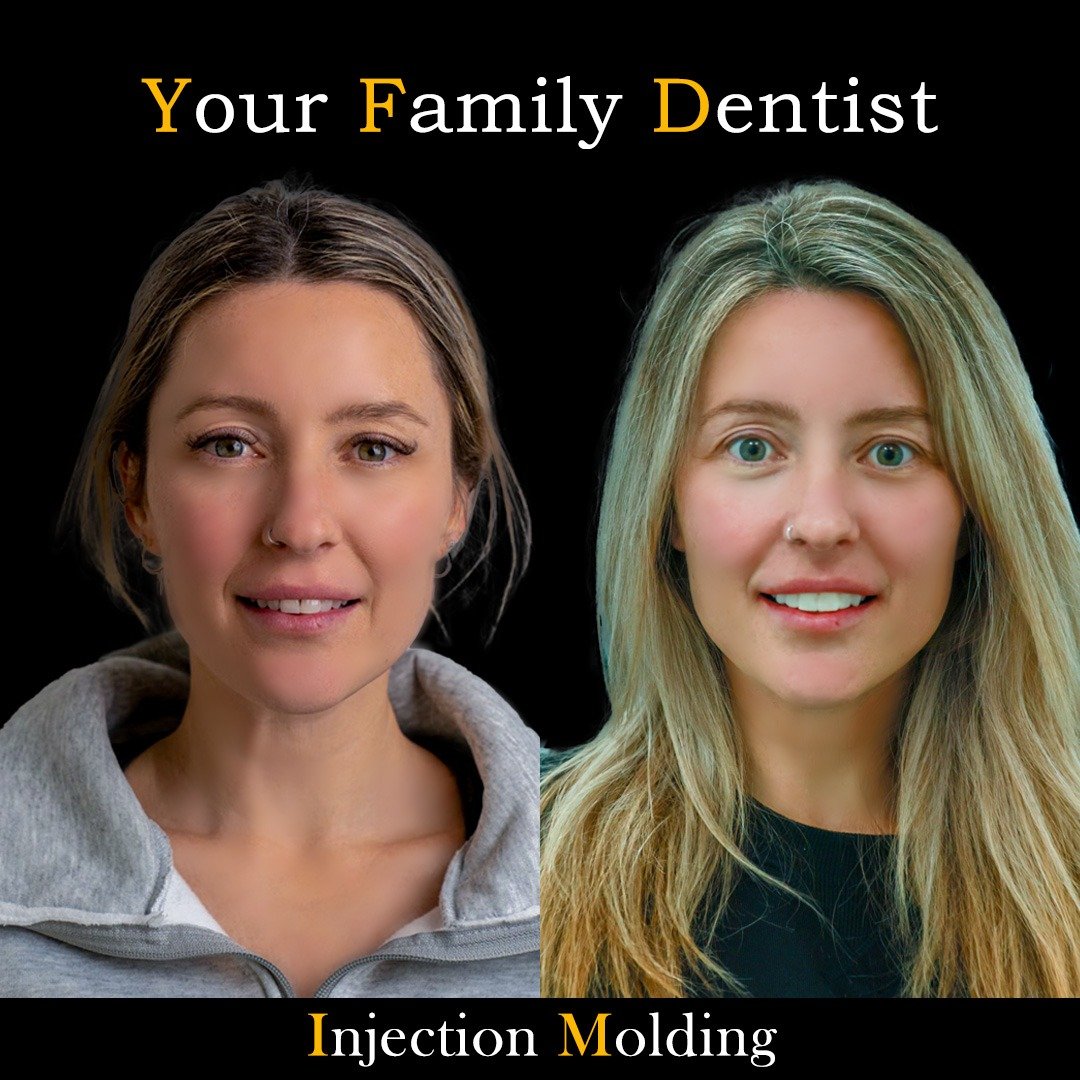
I recently visited my family dentist and was blown away by the level of customer service. The staff was incredibly attentive and made sure all my needs were met. I wanted to get veneers and crowns to achieve nice teeth and most of all a nice smile dr shaveta and Tracey were absolutely amazing and made feel so comfortable and they gave me my confidence back they exceeded my expectations in terms of quality and value I couldn’t thank you enough my before and after photos are there

masoud akhavan
12 months ago
I paid around $21,000 to this dentist about a year ago to repair my teeth. Despite multiple visits and investing a lot of time and money, the results were very disappointing. My teeth are now in worse condition than before, and I'm still in pain. I truly regret choosing this clinic. Please don't be misled by their advertisements — I'm sharing this so others don't go through the same experience.🦷🦷👎😡

Sanja Ban
12 months ago
Highly recommend this dental office! The staff is always friendly, professional, and goes above and beyond to make every visit comfortable. They provide excellent care and make dental visits a truly positive experience!

Pragati Dhone
1 year ago
I highly recommend Your Family Dentist! The entire team — from the front desk to Dr. Nick and Dr. Shaveta — is incredibly friendly and professional. I usually get nervous about dental visits, but they made me feel completely at ease. The procedure was painless, and I’m so happy with the results. Truly a fantastic and comfortable experience! 🦷✨

Waheeda
1 year ago
I’m very happy, you’re work is amazing 🤲🏻🙏🏻😍😘❤️💖🥰♥️

Konnika
1 year ago
I had such a great experience at this clinic, the staff were warm and welcoming, and the dentist explained everything clearly and made me feel comfortable throughout my visit. The clinic is clean, professional, and the service is excellent. I’m so happy with my results and would definitely recommend this place to anyone looking for quality dental care.
A happy patient here , Thanks your family dentist.
A happy patient here , Thanks your family dentist.

Valerie Kirkpatrick
1 year ago
I’m very pleased with the professional therapy.
And the costs involved.
Was affordable.
And the costs involved.
Was affordable.

Jacob Leleimalefaga
1 year ago
Thank you Your Family Dentist for giving us good smile and confidence to smile.Staffs are very welcoming and clean and hygienic place.
Thank you Dr Shaveta and Dr Nick .
Thank you Dr Shaveta and Dr Nick .

M Wi
1 year ago
Happy with my new smile and the work done very professional and nicely decorated clinic

Lucia Zhang
1 year ago

Ana Jedjut
1 year ago
Thank you very much very happy with procedure came out with a beautiful smile . staffs are wonderful and welcoming with a nice smile . Thanks to whole Team

Sachin Sawant
1 year ago

santosh G
1 year ago

Parveen Krishna
2 years ago
Feel so good well trained staff very friendly

Jasmine Llames
2 years ago

kaos izm
2 years ago

Kevi Lee
2 years ago

Richard Turner
2 years ago
Always happy to be here great service .Very happy with staff and David and principal Dentist .

Chengbin Wang
2 years ago

Pese Iafeta
2 years ago
I recommend this dentist 110%, hands down the best dentist in Sydney, the staff and all the workers are very kind and very patient when it by comes to their work, made sure I was feeling okay everywhere few minutes didn’t rush the job

Gloria Sowah
2 years ago
Very happy with the service. Everyone is very knowledgeable and very caring. Good value for money 🤩

Norinator1
2 years ago
Thankyou Saran and Sapna for amazing service and great personality. Highly recommended!

Sofia Carrer
2 years ago
Very good

Vrushabh
2 years ago
Exceptional service! The team at Your Family Dentist Liverpool is professional, caring, and highly skilled. They made my visit stress-free and ensured I felt comfortable throughout. Highly recommend!

Ganzorig Dorjkhorloo
2 years ago
very good experience happy to smile and confident with my Implant procedure done with Your Family Dentist Liverpool. Wonderfull staff working there.

Shiva puri
2 years ago
"I had a fantastic experience at Your family Dentist! Dr.preety was incredibly kind and explained everything clearly and thoroughly. I felt completely at ease during my entire appointment. The staff were all friendly and welcoming. I highly recommend this practice to anyone looking for a caring and skilled dentist."

John Sharp
2 years ago
They were the best. My teeth were in very poor shape. After talking price and getting the job done, I can’t stop smiling now , with perfect work from Tracy and her team. Everyone I haven’t seen in a while all say how good they look 20 crowns. Thanks guys love my new look

Kimberly Dela Cruz
2 years ago

Khaled El Ashrafi
2 years ago
Wonderful Service by Your Family Dentist Liverpool. Thanks to Dr Nick and Dr Shaveta.

ling ling
2 years ago
Reasonable prices for my clean and check up, thank you

PHIHUNG-PHILONG phihungphilong
2 years ago
Excellent service

Philippe Guillemin
2 years ago
I highly recommend Vinnie and the overall staff for their great work. I'm very satisfy with the service. Thank you!

Surenthiran Mohendramoorthy
2 years ago
Wonderful work done I am happy,Your Family Dentist gave me back my confidence to smile .

Savenaca Michael Rokosiga
2 years ago
I recommend “Your Family Dentist”in Liverpool highly to anyone who needs dental treatment, crowns, root canal or anything to do with your teeth.
This dental office is owned by the Bhayani, Dr Nick and Dr Shaveta and they have a bunch of excellent staff. You feel at home as soon as you enter and they do their work with love. I have been with them from 2020 and I am still with them.
Dr Nick Bhayani is a class of his own.
This dental office is owned by the Bhayani, Dr Nick and Dr Shaveta and they have a bunch of excellent staff. You feel at home as soon as you enter and they do their work with love. I have been with them from 2020 and I am still with them.
Dr Nick Bhayani is a class of his own.

Monesh Bhojwani
2 years ago
Dr. Nick and Dr. Shaveta were very thorough and professional in their approach to my dental problems and Dr. Jessica was very gentle in the treatments too. The staff was quite helpful too. I would recommend Your Family Dentist to everyone.

Nick Bottrell
2 years ago
I’ve been coming here the last 2 years. The staff there have been incredible with always working around my schedule. My smile from 2 years back to now has changed so much they have done an amazing and incredible job. Would recommend to anyone doctor nick and his team have been amazing 🙂

Pam Brown
2 years ago
I had intended to leave a negative review because there were some serious communication problems and misinformation given to me by the lady on the phone which was very frustrating. BUT everything turned out ok.. I can’t fault the dentist, she was lovely, gave very thorough explanations and advice and she did a great job on my teeth.

Marcus Anthony
2 years ago
I can't speak highly enough about Dr Shaveta and Dr Nick. They saved my back molar with root canal treatment when everybody else wanted to pull the tooth. Their staff, including Tracy, are so warm and welcoming. I have found a dentist for life! Absolutely wonderful dentists!

Dee
3 years ago
I have been coming here from day dot. Everyone here is so friendly and welcoming. You're also offered yummy tea whilst waiting, as for the dentists, they are exceptional and professional towards all your needs!
I love my teeth, thank you, Dr. Shaveta x
Highly recommend 👌
I love my teeth, thank you, Dr. Shaveta x
Highly recommend 👌

iCafe Saigon
3 years ago
One of the best Dental Clinic's I have been. Dr Shaveta and her nurse Tracy are extremely friendly, caring and bend over backwards to make you comfortable. The prices are very reasonable. I have always been impressed with the communication, efficiency and professionalism of everyone there and will continue to come back. Highly recommended.