Discoloured, chipped, misaligned or unevenly spaced teeth can be addressed with ultra-thin, custom-crafted shells of porcelain or composite resin — restoring natural proportion, shade harmony and functional alignment.
Preparing a tooth for a veneer usually involves the irreversible removal of enamel. Enamel does not grow back, and a prepared tooth will require a veneer or similar restoration for the remainder of its life. Possible complications include temporary or persistent sensitivity, gum irritation, debonding, chipping or fracture of the veneer, and irritation of the dental pulp which may later require root canal treatment.
Veneers do not change colour in response to whitening, and adjacent natural teeth may discolour over time so that shades no longer match. Individual results vary according to your existing tooth position, bite, gum health and habits such as grinding.
Your dentist will discuss the risks, benefits and alternatives — including more conservative options such as whitening, bonding or orthodontics — before you consent to treatment. You are encouraged to seek a second opinion from another appropriately qualified health practitioner.
The problem every veneer patient dreads, and why it doesn't happen here.
Practices that rely on external, off-site laboratories face a real delay if a single veneer needs adjustment at final fitting. If one front tooth veneer doesn't fit with micron precision, that tooth has to be sent back out to the lab.
The patient goes home in the meantime — often wearing a single awkward temporary front tooth for days or weeks while the replacement is made and returned.
Because our digital dental laboratory sits inside the practice, an adjustment becomes an hour, not a fortnight.
All perfectly fitting veneers are bonded first, so your smile is complete except for the one tooth.
A digital intraoral scan of the single tooth requiring adjustment is taken right there in the chair.
Our on-site technicians redesign and mill a brand-new veneer within 60 to 90 minutes.
Step out for a coffee, return an hour later, and your final veneer is bonded that same day.
To maintain quality standards across complex cases, this rapid protocol is strategically prioritised for high-impact front-tooth aesthetic situations.
Two genuinely different treatments, with different lifespans, costs and preparation. Here's how they compare.
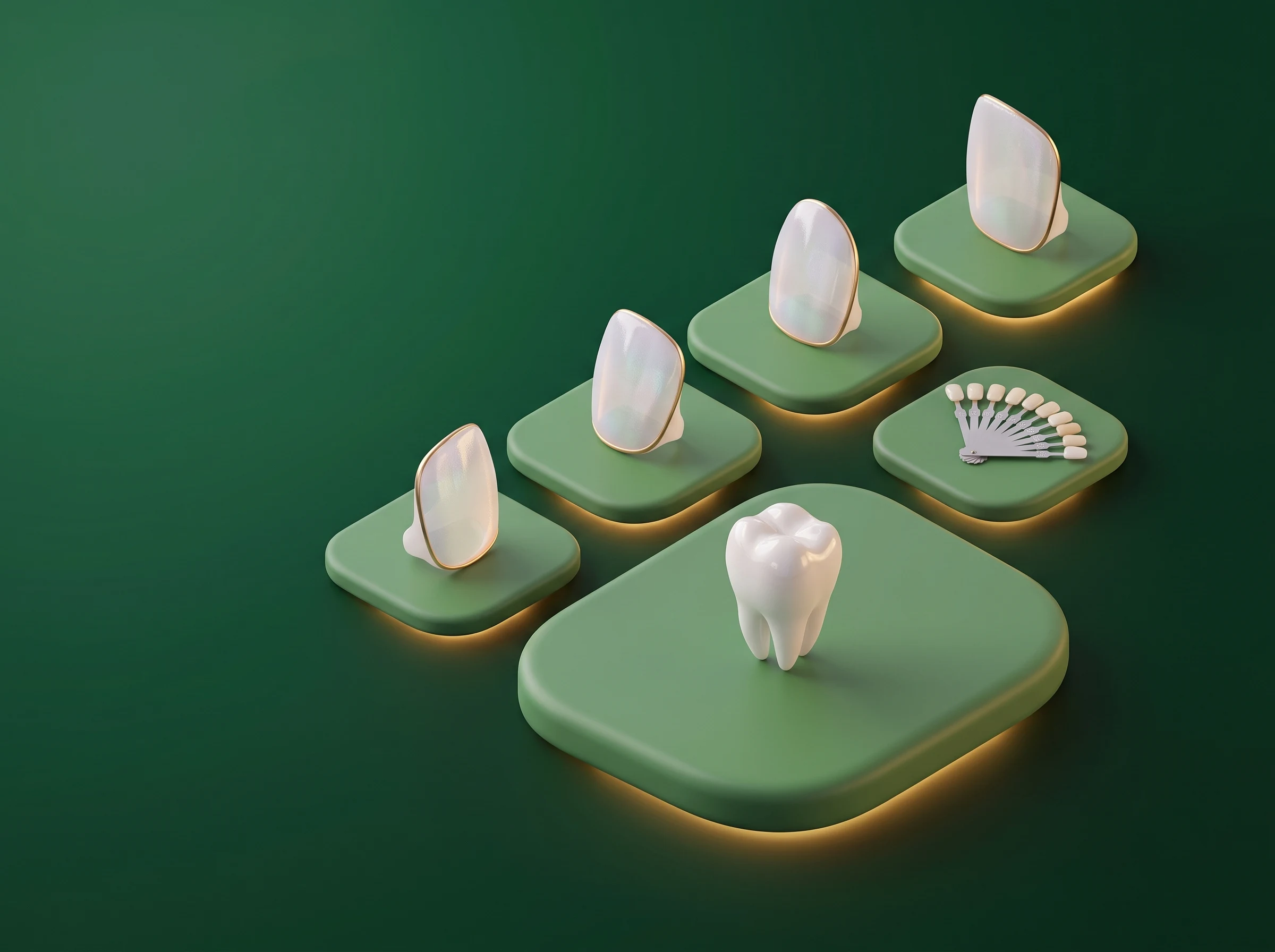
Crafted from ultra-durable Dentsply Sirona ceramic glass, porcelain reflects light much as natural tooth enamel does. It offers maximum stain resistance, natural translucency and high flexural strength.
Sculpted directly onto your natural tooth structure using high-grade aesthetic composite resin, completed in a single appointment rather than fabricated in the laboratory.
We aim to preserve as much natural tooth structure as possible. Modern digital smile design allows us to plan ultra-thin porcelain veneers — often as thin as 0.3mm to 0.5mm — which reduces or eliminates the need for aggressive enamel removal.
Planning the veneer digitally before any preparation begins is what makes that possible. The thickness is designed around your existing tooth position rather than the tooth being reduced to suit a standard thickness.
Porcelain veneers require subtle, irreversible removal of a microscopic outer layer of tooth enamel to ensure a flush, natural fit and a seamless transition at the gum line. Enamel does not grow back, and a tooth prepared for a veneer will require a veneer or similar restoration from that point onward.
At your initial consultation we thoroughly evaluate your tooth position and enamel thickness to determine the most conservative preparation path for your smile — including whether composite, which usually requires little or no preparation, would suit you better.
Three factors have to be controlled for veneers to stay vibrant, functional and secure over time.
Maintaining healthy gums and periodontal stability, and avoiding active decay developing underneath the restoration.
Consistent daily brushing, non-abrasive flossing, and bi-annual professional check-ups and cleaning.
Protecting restorations from night-time grinding or clenching with a custom-fitted occlusal night guard, to prevent chipping or debonding.
If you grind or clench, a night guard isn't optional extra care — it's the single most effective thing you can do to protect your investment.
From first scan to final bonding, so you know what happens next at every point.
High-resolution intraoral scanning and 3D simulation to preview prospective tooth shape, length and shade.
Minimal enamel preparation where required, then temporary trial veneers to test aesthetics and speech.
Precision milling and hand-characterisation of your ceramic veneers by our own laboratory technicians.
Try-in of your final veneers. Any minor single-tooth adjustment is remilled on-site within about 1.5 hours.
Adhesive bonding with specialised resin cements, followed by bite optimisation and long-term care planning.
Veneer fees depend on real variables, so we quote them properly rather than advertising a headline number.
Veneer treatment costs vary based on the material selected, the complexity of shade matching, and the number of teeth involved. Composite veneers generally sit lower in upfront cost; custom porcelain reflects a higher investment, given the ceramic material science and in-house laboratory work behind each one.
You receive a detailed, itemised treatment plan following your 3D digital assessment — before any treatment begins.
Veneer treatment is staged across several appointments, and payment is staged the same way. You pay for each appointment as you reach it, rather than the full fee upfront.
An itemised plan and fee, confirmed before treatment begins.
Each appointment is paid separately, for the work completed at it.
We also partner with Zip, Humm, TLC, SuperCare and DentiCare.
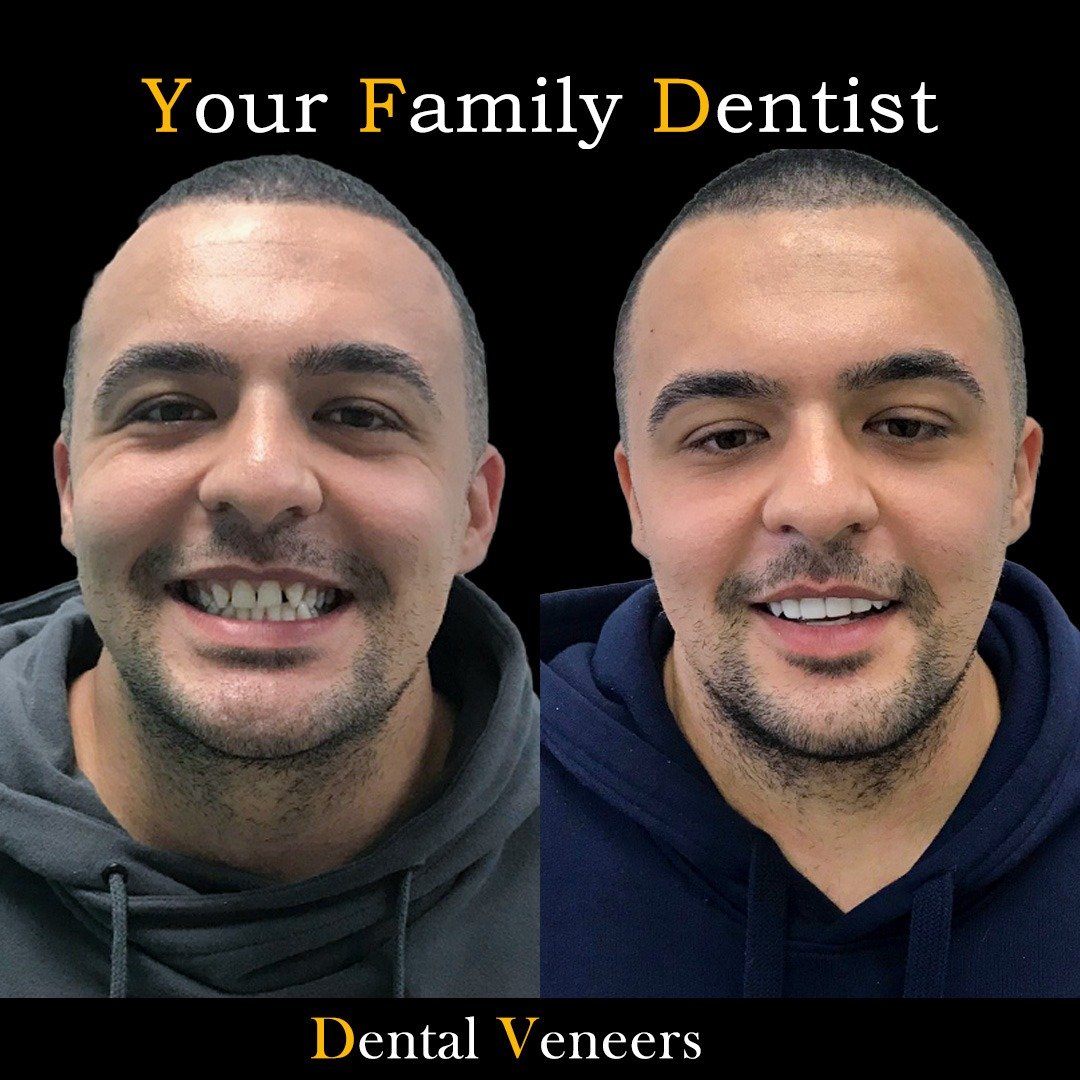
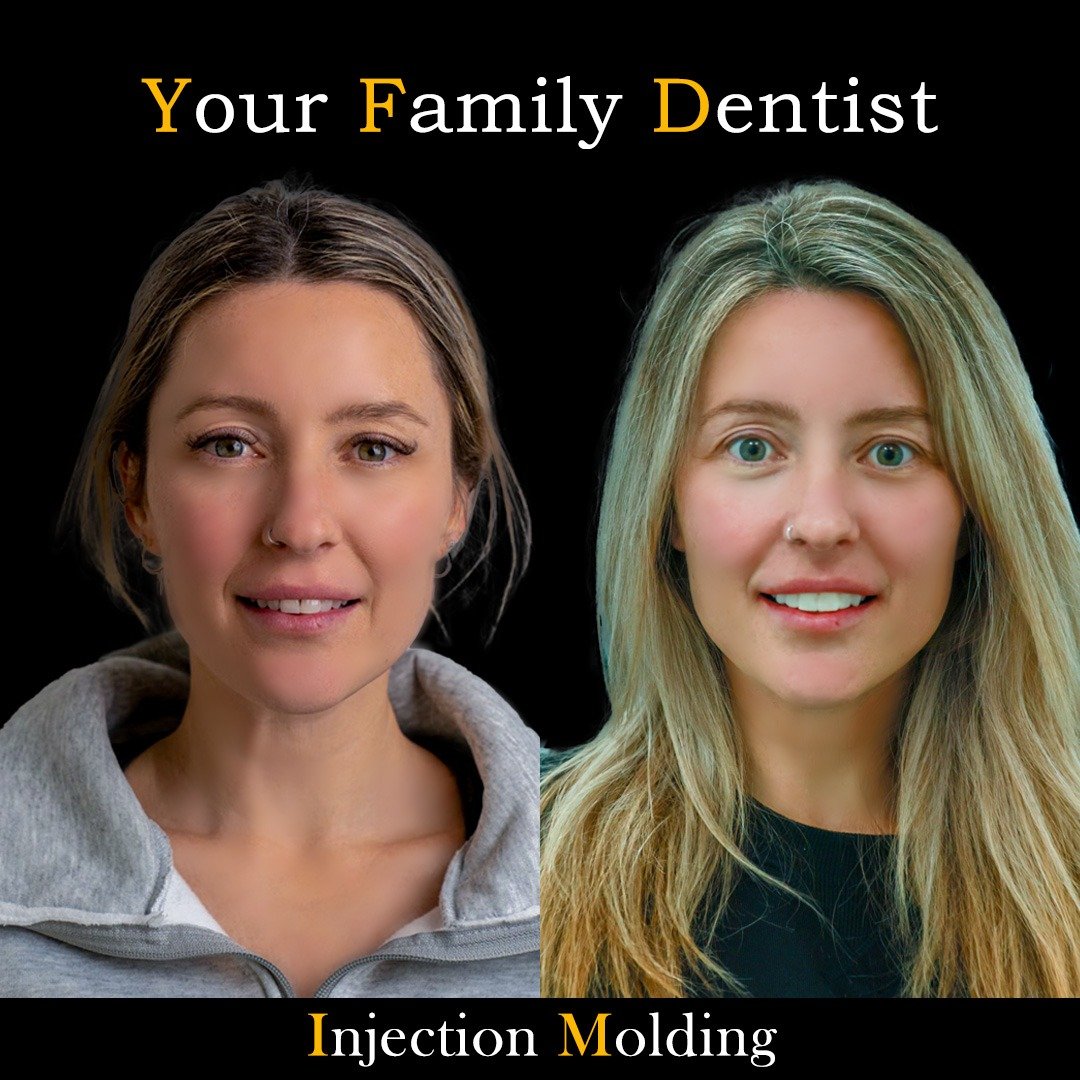
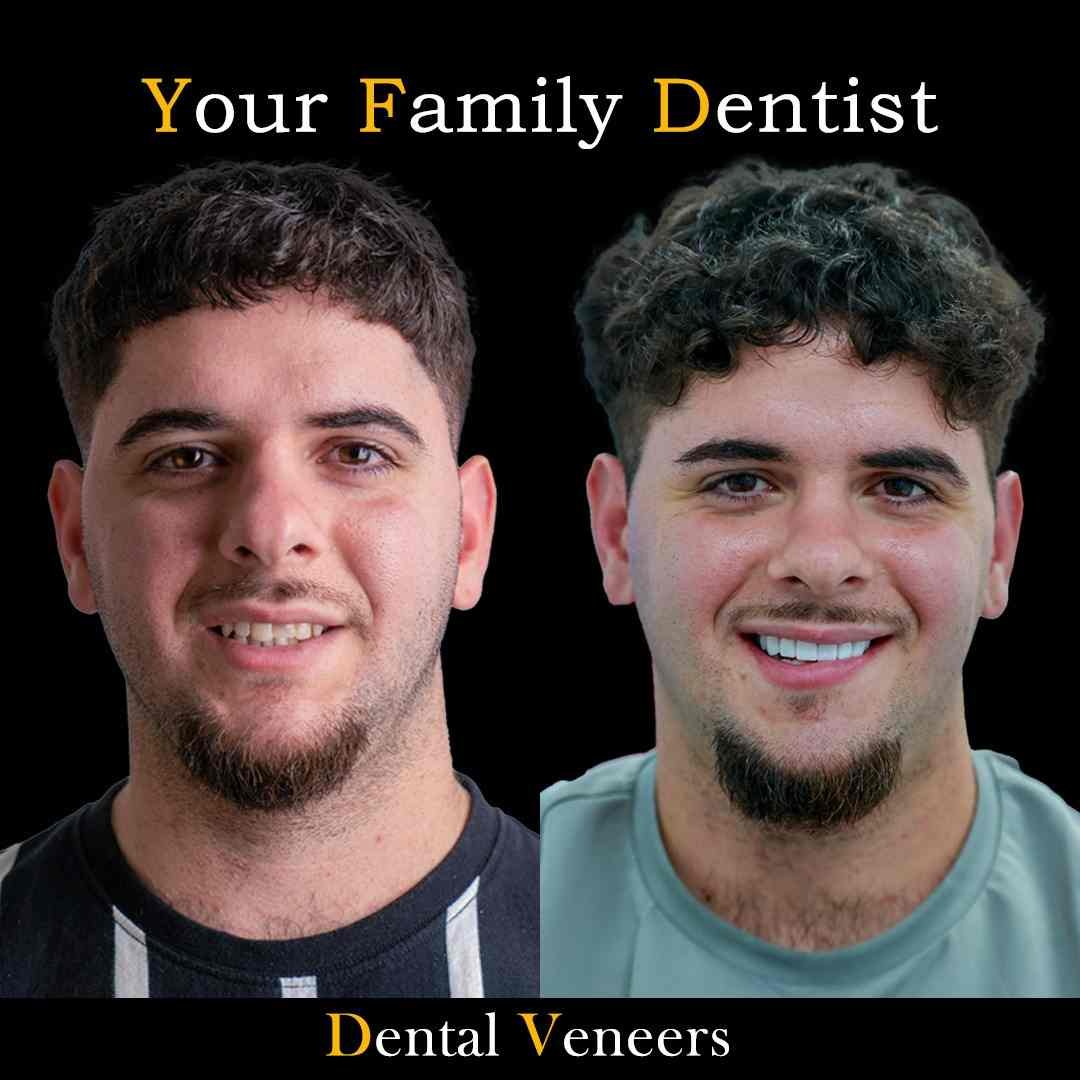
Documented cases from our Liverpool practice, photographed under standardised conditions.
Please note: Images are published with full documented patient consent and are unedited, with standardised lighting and posture. Results shown are illustrative of individual clinical outcomes; individual results will vary based on anatomical and bite factors.
Most practices design your veneers and then send the work away. We design, mill and characterise them here, which changes what's possible when something needs adjusting — an hour instead of a fortnight, and no walking around with a single temporary front tooth.
It also changes shade matching. Our technicians can look at your teeth in the room, in natural light, rather than working from a photograph and a shade tab posted to another suburb.
And we'll tell you honestly if veneers aren't the right answer — whether that's whitening, orthodontics, or simply doing less than you came in asking for.
Book Your Smile Assessment
Veneer treatment costs vary based on the material selected, the complexity of shade matching, and the number of teeth involved. Composite veneers generally range lower in upfront cost, while custom porcelain veneers reflect a higher investment due to the ceramic material science and in-house laboratory work involved. We provide detailed, itemised treatment plans following your 3D digital assessment.
In accordance with clinical evidence, no dental restoration is considered permanent. Porcelain veneers typically serve for 10 to 15 years or longer when supported by disciplined oral hygiene and a protective night guard. Composite veneers generally have a lifespan of 5 to 7 years and may require periodic re-polishing or touch-ups.
Patient comfort is carefully managed throughout treatment. Local anaesthesia is administered during preparation and final bonding, so the procedure itself is comfortable. Sensitivity to hot or cold for a few days following enamel preparation is common and usually subsides naturally as the tissues settle.
Porcelain veneers require the irreversible removal of a microscopic outer layer of enamel so the veneer sits flush at the gum line. Enamel does not regenerate, so a prepared tooth will need a veneer or similar restoration from then on. We plan ultra-thin veneers, often 0.3mm to 0.5mm, to keep that removal as small as possible — and composite veneers frequently require little or no preparation at all.
Porcelain ceramic is strong once bonded to enamel, but extreme trauma or heavy bite forces can occasionally cause chipping. Because our laboratory is on site, if a single veneer requires repair or remilling we can rescan and fabricate a matching replacement rapidly, without extended wait times.
Any invasive dental procedure carries potential clinical risks. For veneers these include temporary post-operative tooth sensitivity, potential marginal staining over time, accidental chipping or debonding under excessive forces, and the eventual need for replacement. Before proceeding, you should seek a second opinion from an appropriately qualified health practitioner.
Any invasive dental procedure carries potential clinical risks. For dental veneers these include temporary post-operative tooth sensitivity, marginal staining over time, chipping or debonding under excessive forces, and the eventual need for replacement. Porcelain veneers also involve irreversible removal of a thin layer of natural enamel.
Before proceeding, we recommend you seek a second opinion from an appropriately qualified health practitioner to determine whether this treatment is suitable for your individual circumstances. Individual results will vary based on anatomical and bite factors, and outcomes cannot be guaranteed.
Find out how custom porcelain or composite veneers could work for your smile — with a comprehensive 3D digital assessment and your options explained in writing.
The complimentary initial consultation is available to new patients and includes a visual examination and a discussion of your treatment options with a dentist. It does not include radiographs (X-rays), OPG or CBCT imaging, clinical photographs, diagnostic records, scale and clean, or any treatment — these are charged at our standard fees, which will be quoted to you in writing before anything is carried out. One consultation per person. Attending a consultation carries no obligation to proceed with treatment. Bookings are subject to practitioner availability. This offer applies until withdrawn, and notice of withdrawal will be published on this page.
All dental treatment carries risks. Information on this website is general in nature, is not a substitute for a clinical examination, and does not take your individual circumstances into account. Individual results vary. Any prices shown are indicative and will be confirmed in a written treatment plan following examination. You are encouraged to seek a second opinion from another appropriately qualified health practitioner before proceeding with treatment.