Complete dental care for every age — implants , veneers, cosmetic & emergency dentistry , all under one roof.
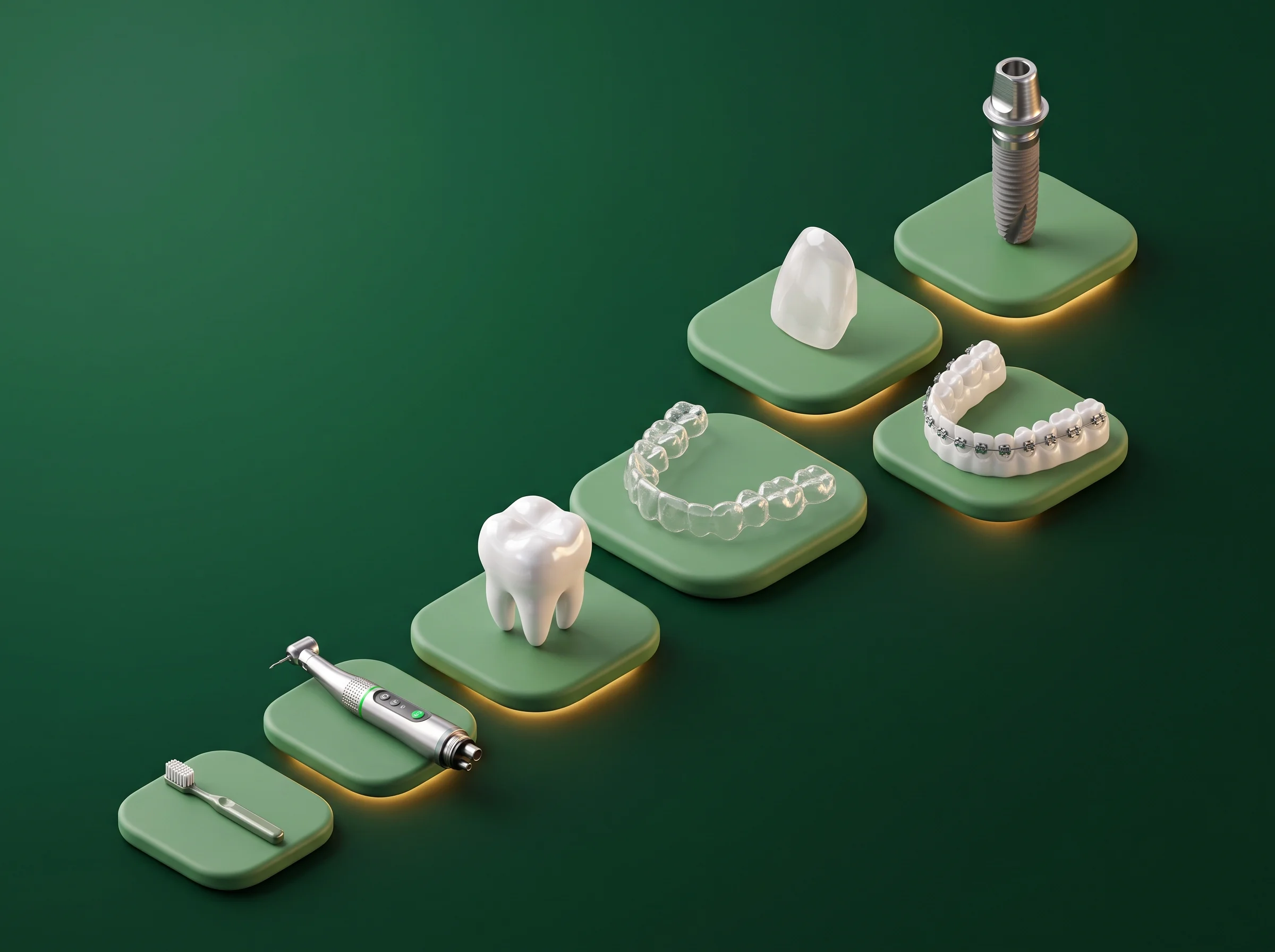
Get the right solution to unique dental concerns at Your Family Dentist & Dental Care, Liverpool.
A long-term, natural-looking tooth replacement option.
Custom porcelain veneers, designed to suit your face and bite.
Precision digital dentures & smile design.
Gentle wisdom teeth & surgical extractions.
Custom crowns designed & fitted in one visit.
Discreet clear aligners to straighten teeth.
Gentle kids' dentistry — CDBS bulk-billing.
Pain-relieving therapy that saves your teeth.
Take a tour of our Liverpool practice — designed to feel less like a clinic and more like a retreat.
Complete dental care for families and individuals of all ages.
At Your Family Dentist in Liverpool, whether you need emergency dental care, are interested in cosmetic dentistry like veneers or teeth whitening, or are seeking gentle children's dental services, our caring team is here for you. We also offer dental implants and advanced solutions to restore your confident smile — all under one roof.
Dr Shaveta Bhayani and Dr Nick Bhayani, with a combined experience of 25+ years, have served thousands of patients across Sydney and beyond. Dr Shaveta, along with her spouse Dr Nick, started Your Family Dentist in Liverpool in 2014.
Our dentists take a tailored approach to each patient's concerns, and both are registered general dentists with the Dental Board of Australia.
Along with a team of technicians and clinical staff, they find meaning in transforming smiles and restoring confidence for people from all walks of life.
Learn More About Us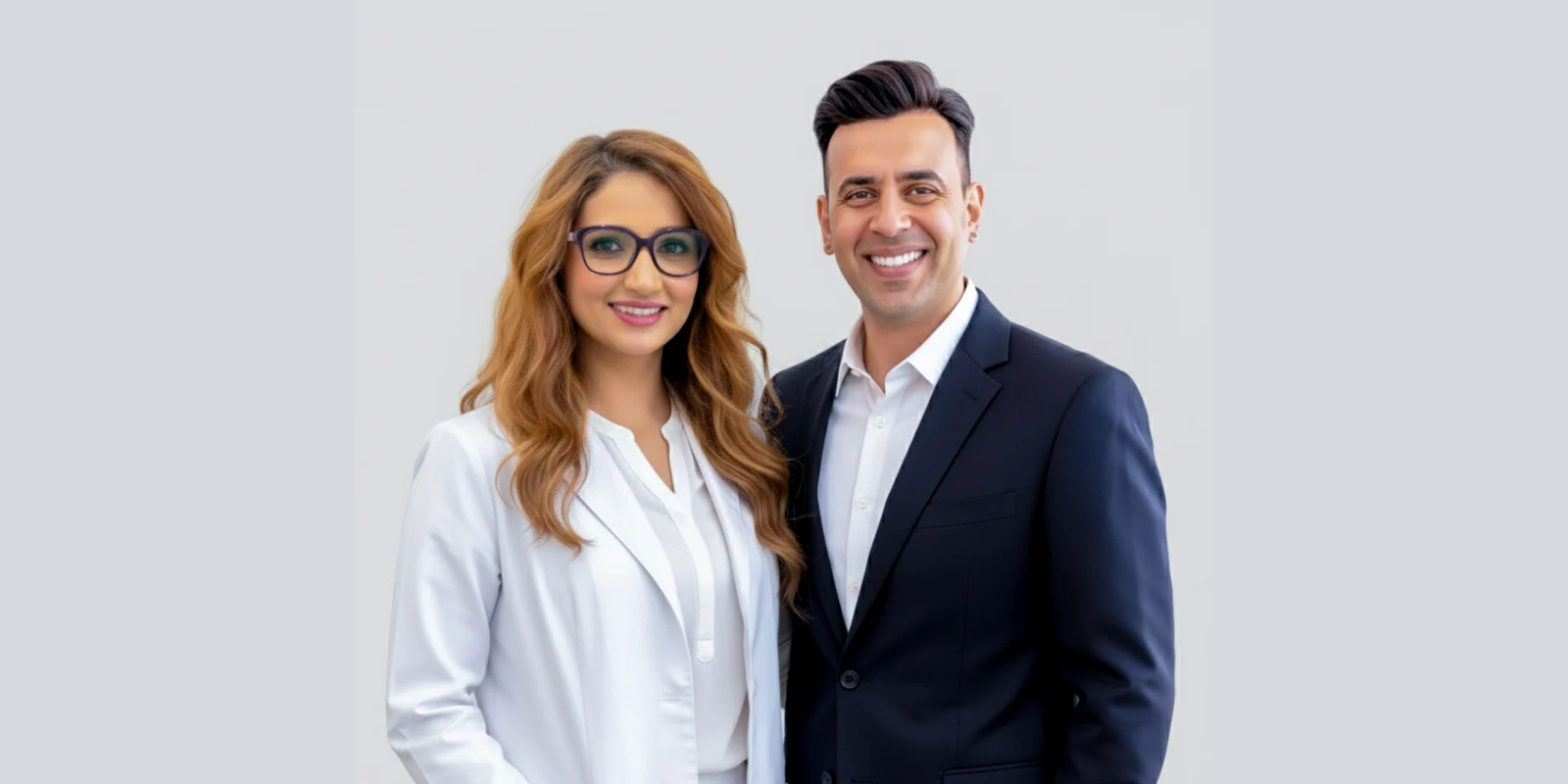
We have cared for families across Liverpool and Blacktown since 2014. Feedback from our patients is published independently on our Google Business Profile, where you can read it in full and leave your own.
Read Our Google ReviewsA look at some of the smiles we've restored at our Liverpool & Blacktown clinics.
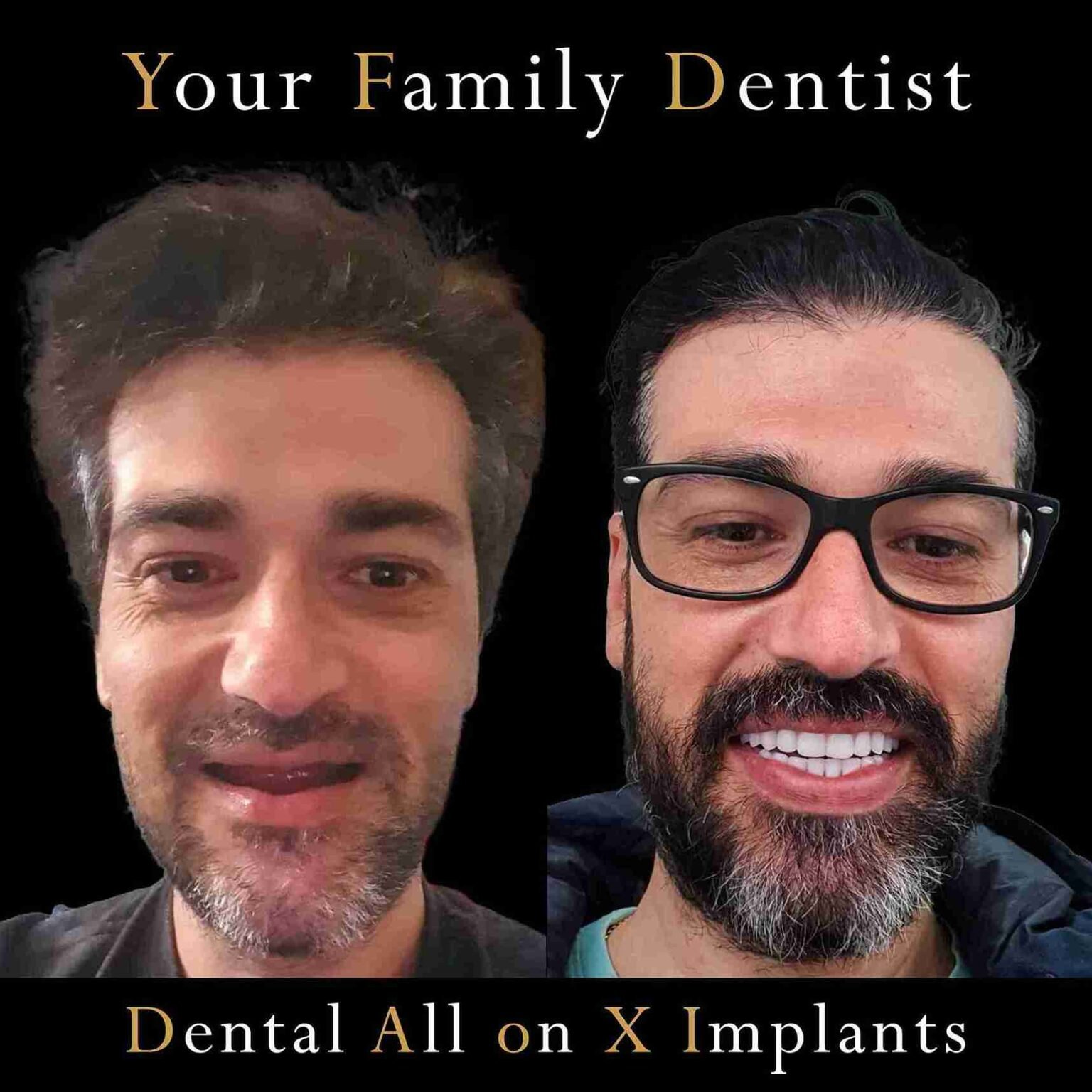
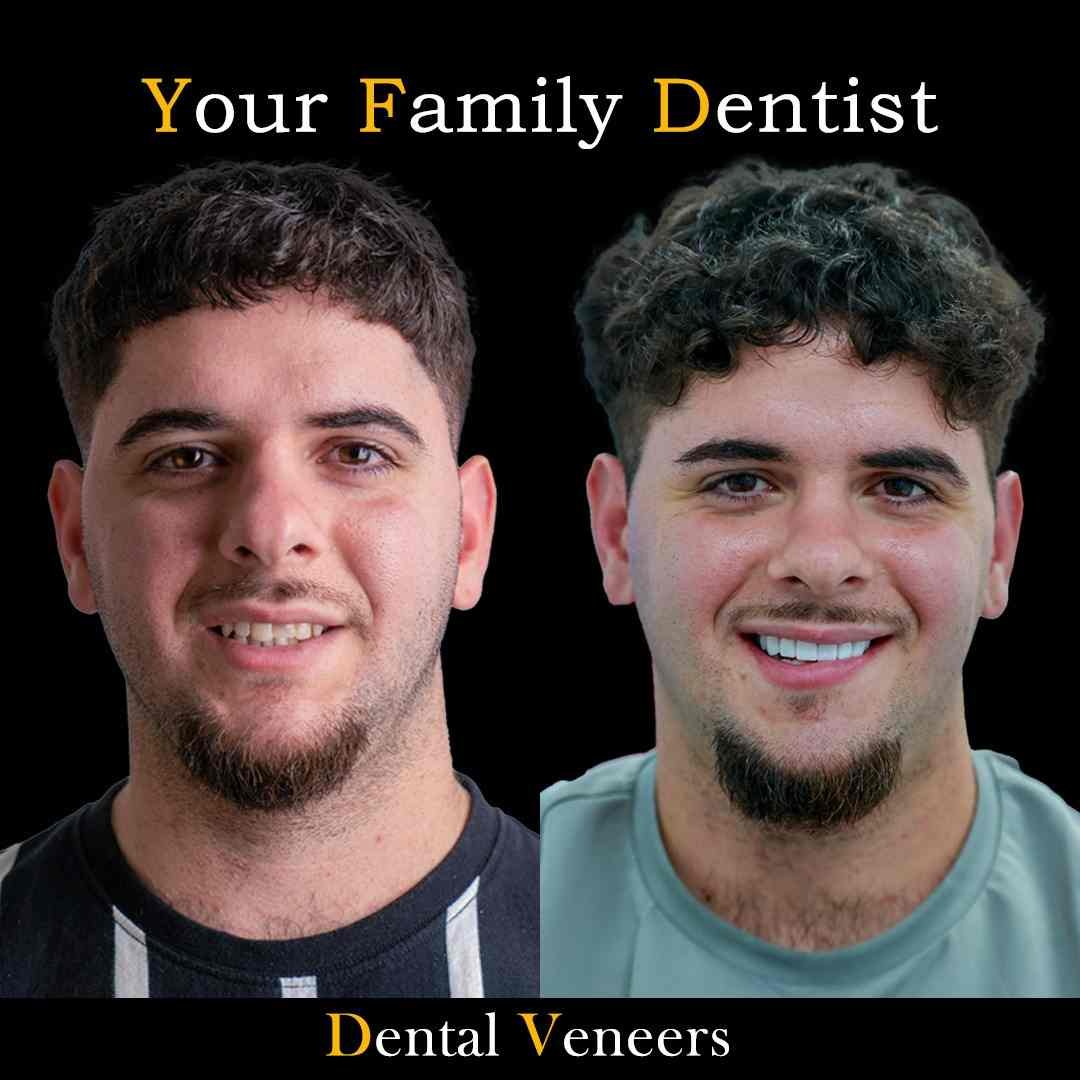
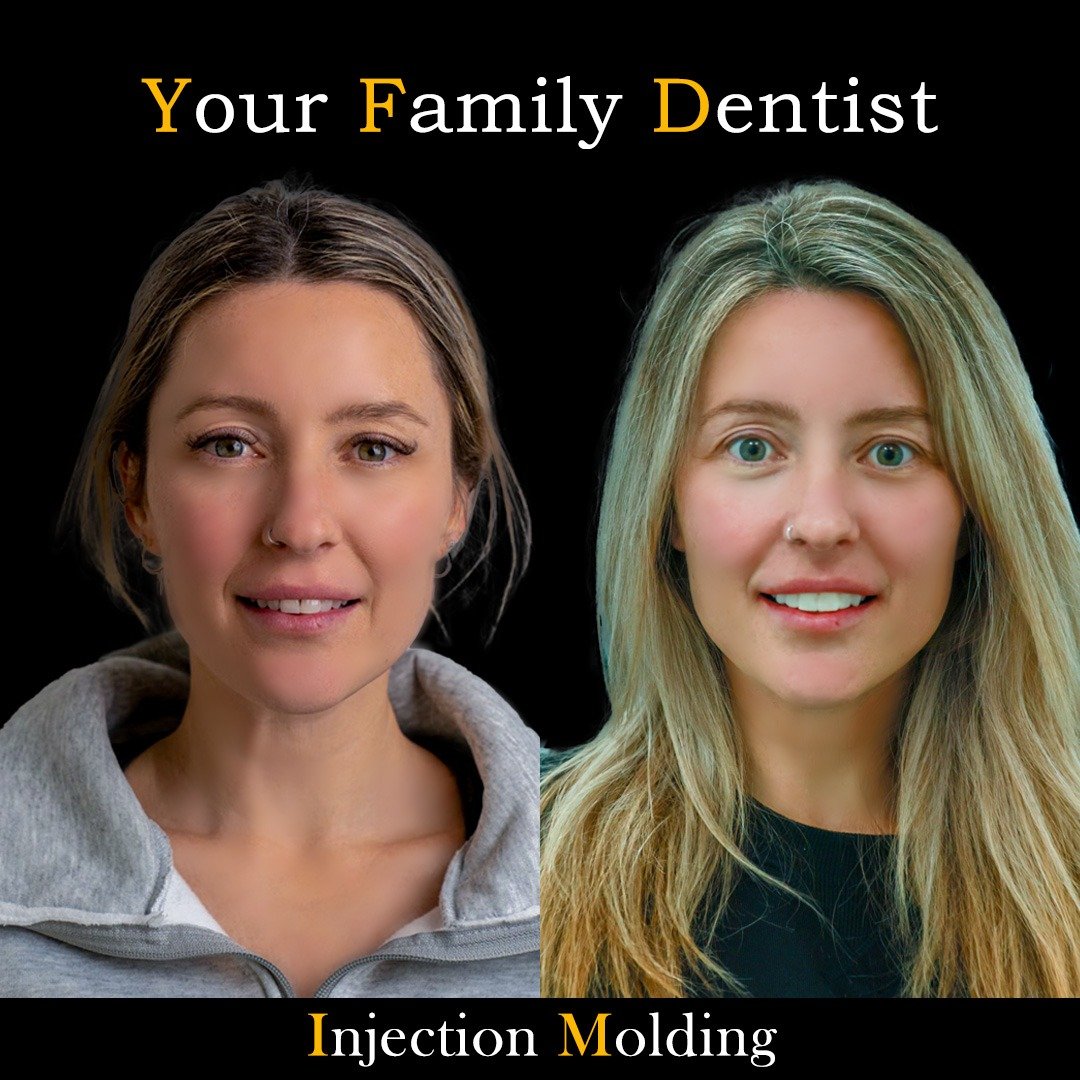
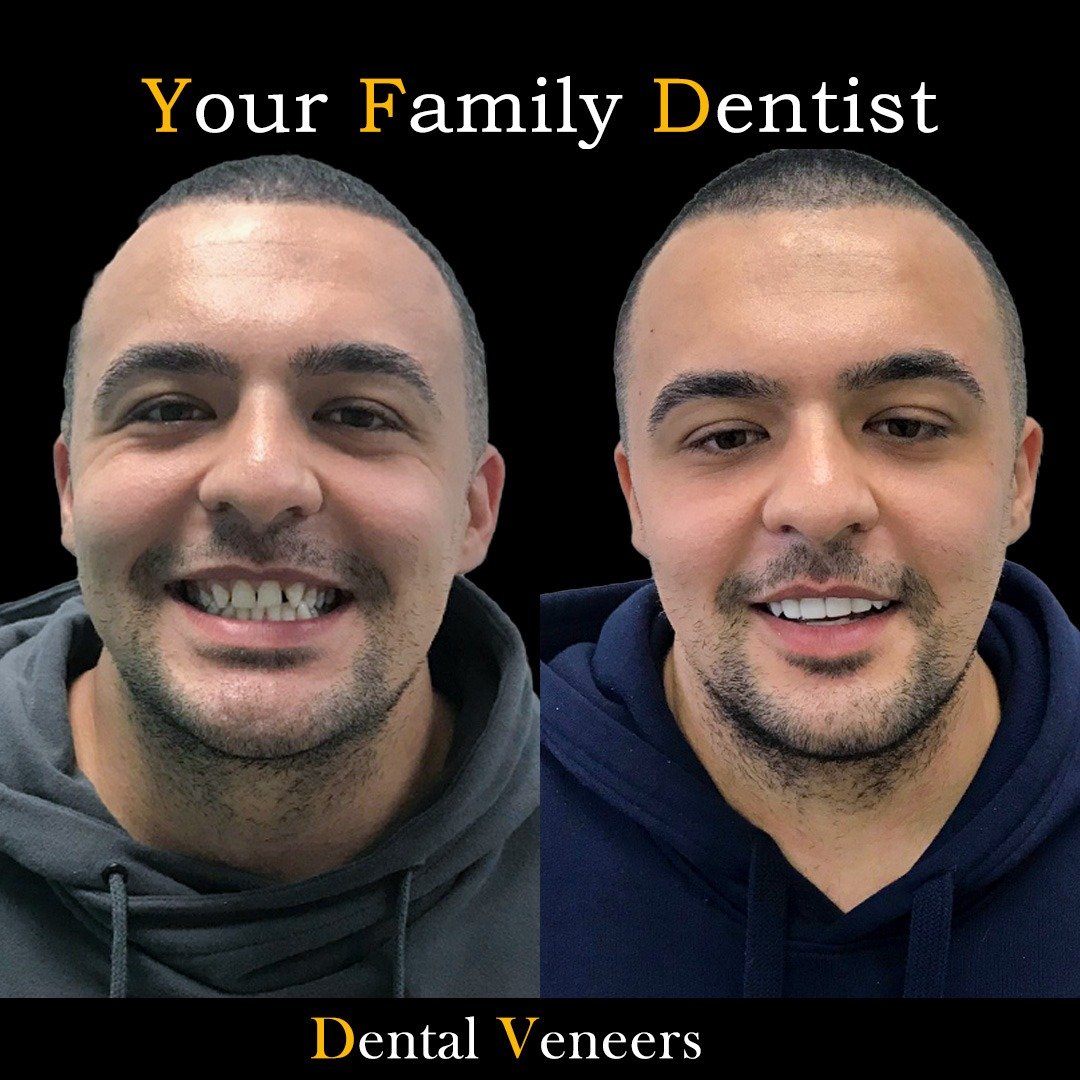
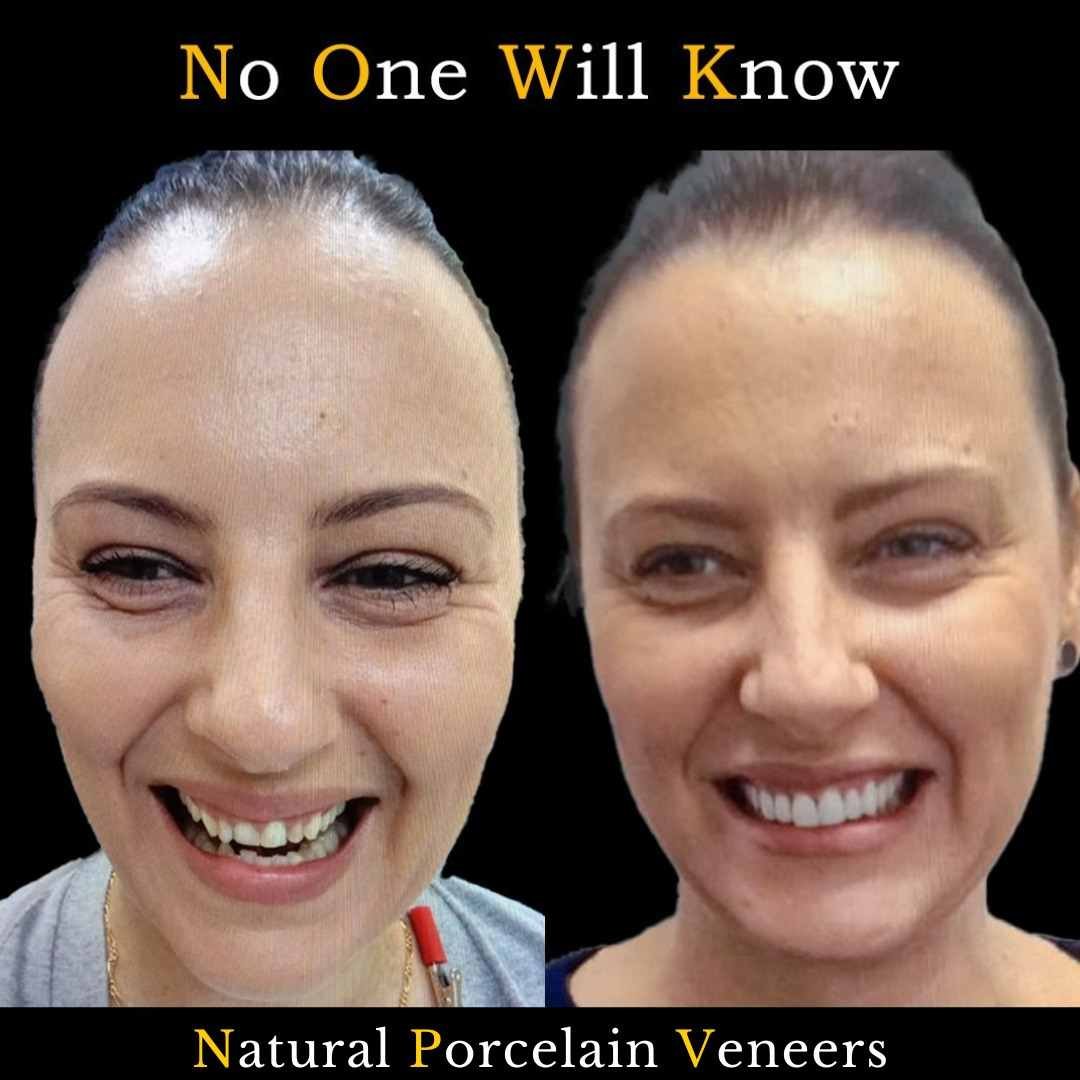
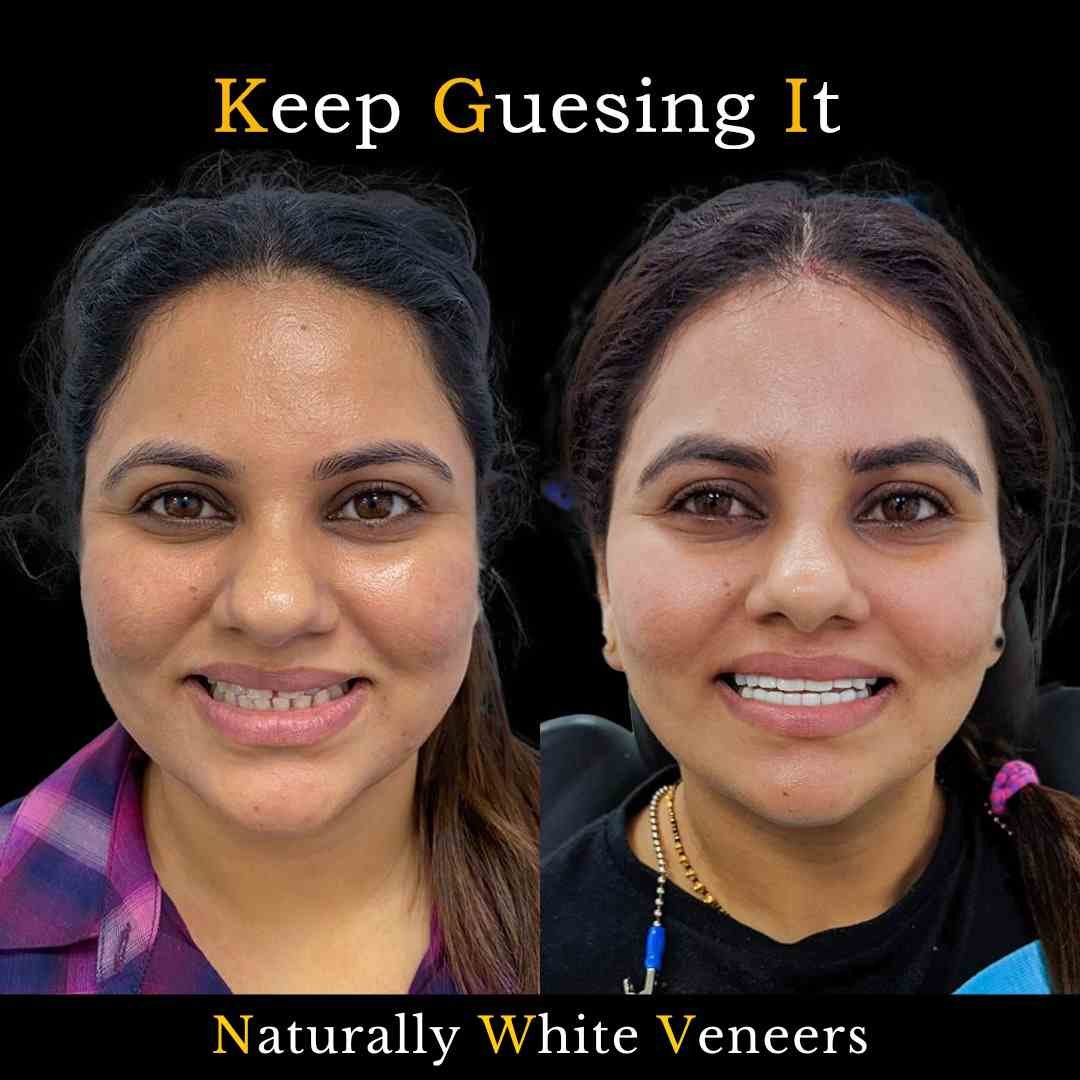
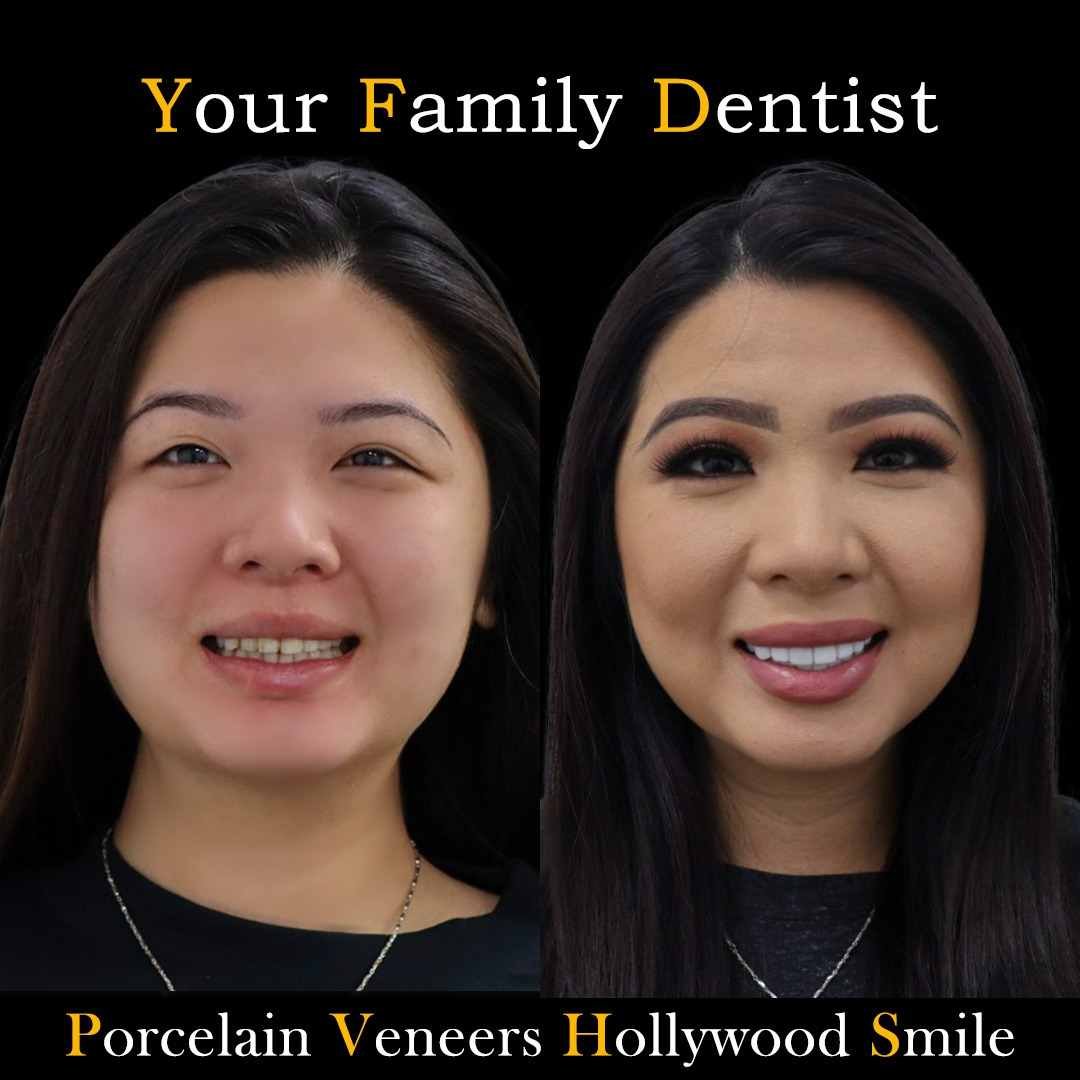
Disclaimer: Individual treatment outcomes vary based on clinical factors.
A unique approach to making every visit feel effortless.
Life doesn't wait around — so we provide same-day appointments.
Soft lighting and soothing colours create a cosy retreat.
Catch up on your favourite show during your visit.
Warm smiles from the moment you walk through our doors.
Quality dental care should be accessible to everyone — so we make it easy to spread the cost.
With our own in-house payment plan, you don't pay for your entire treatment upfront. We structure your treatment into clear stages, so you simply pay for each appointment as you go — making even larger smile makeovers comfortable and stress-free.
Your full treatment is broken into clear, manageable appointment stages.
You pay only for the treatment done at each appointment — separately.
No big lump sum, no surprises — just a clear, affordable path to your new smile.
Prefer to finance externally? We also partner with Australia's leading payment providers.
Modern, gentle and affordable care for every member of your family.
We offer a full range of services including general check-ups, dental implants, veneers, emergency care, children's dentistry and cosmetic treatments.
Yes, we're open on Saturdays for your convenience. You can book at either our Liverpool or Blacktown clinic.
Yes! We have two locations: one in Liverpool, NSW and one in Blacktown.
Absolutely. We provide flexible payment plans through Zip, Humm, TLC, SuperCare and DentiCare to make your dental care more affordable.
Yes, we specialise in gentle, friendly care for children. Our team makes sure every little one feels safe and happy.
Your initial consultation is complimentary for new patients at our Liverpool & Blacktown clinics. Terms apply — see below.
The complimentary initial consultation is available to new patients and includes a visual examination and a discussion of your treatment options with a dentist. It does not include radiographs (X-rays), OPG or CBCT imaging, clinical photographs, diagnostic records, scale and clean, or any treatment — these are charged at our standard fees, which will be quoted to you in writing before anything is carried out. One consultation per person. Attending a consultation carries no obligation to proceed with treatment. Bookings are subject to practitioner availability. This offer applies until withdrawn, and notice of withdrawal will be published on this page.
All dental treatment carries risks. Information on this website is general in nature, is not a substitute for a clinical examination, and does not take your individual circumstances into account. Individual results vary. Any prices shown are indicative and will be confirmed in a written treatment plan following examination. You are encouraged to seek a second opinion from another appropriately qualified health practitioner before proceeding with treatment.