Coffee, tea, red wine and time all leave their mark on tooth enamel. Professional whitening lifts that discolouration under dental supervision — after we've checked your teeth and gums are suitable for it.
Understanding the cause matters, because it determines whether whitening will help at all.
Coffee, tea, red wine, cola and richly coloured foods deposit pigment into enamel over years of exposure.
Tar and nicotine cause some of the most stubborn surface staining, and it builds steadily over time.
Enamel thins with age, letting more of the naturally yellower dentine underneath show through.
Some medications taken during tooth development can affect tooth colour from within the tooth structure.
Natural tooth shade varies between people. Some enamel is simply thicker, whiter or more translucent than others.
A tooth that has been knocked or root-treated can darken individually, which needs a different approach.
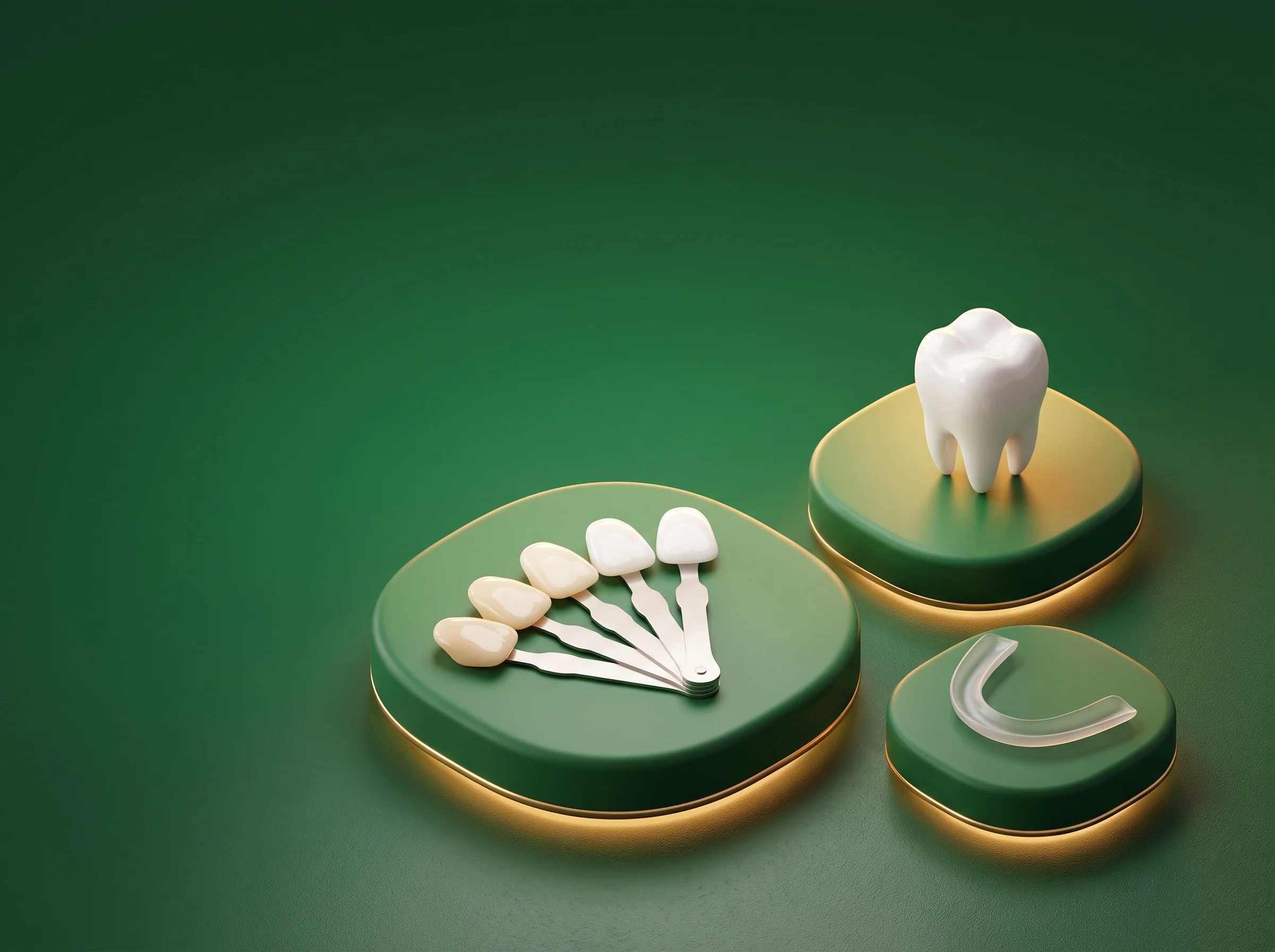
Both are dentist-supervised. They differ in concentration, timeline and how much of the work happens at home.
Carried out here in a single appointment, using a higher concentration of bleaching agent than any at-home product, with your gums protected throughout.
Custom trays made from impressions of your own teeth, with professional-strength gel to use at home over a period of days to weeks.
Supermarket strips and whitening toothpastes contain far lower concentrations and generally produce a milder effect. Their trays aren't fitted to your teeth, which is why gel can reach the gums and cause irritation.
Whitening lifts discolouration held within natural tooth enamel. It has no effect on dental work — crowns, veneers, bridges, composite fillings and dentures keep the shade they were made in.
If you have visible fillings or crowns at the front of your mouth, whitening the teeth around them can leave them looking darker by comparison. That's worth planning for before you start, not discovering afterwards.
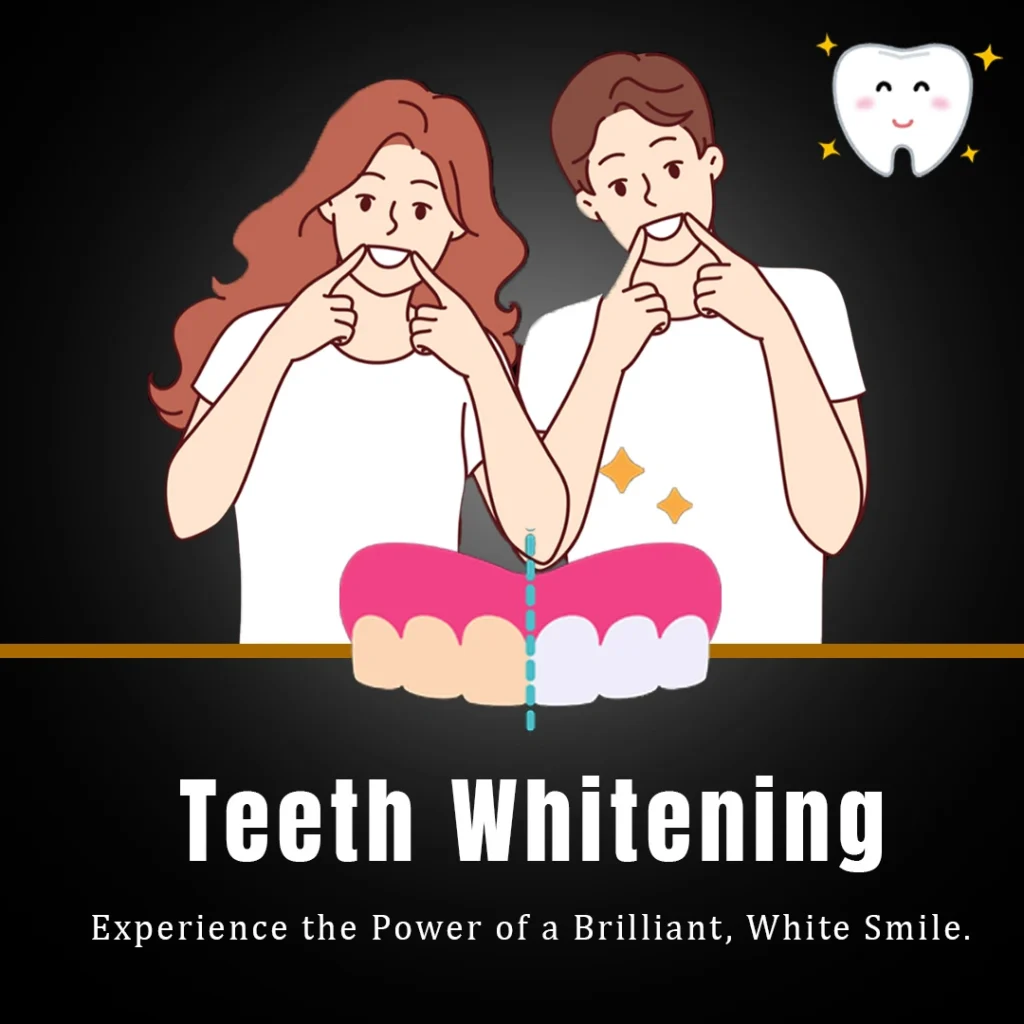
Whitening starts with an examination, not with the gel.
We check for decay, gum health, exposed roots and existing dental work, and identify what's causing the discolouration.
A professional clean removes surface build-up first, then your starting shade is recorded so change can be measured.
In-chair treatment in a single appointment, or custom trays fitted and instructions given for use at home.
We check the result, manage any sensitivity and go through how to keep the result looking its best.
Whitening isn't permanent. How long it lasts depends largely on what happens after you leave.
Teeth are more absorbent immediately after whitening. Avoid coffee, tea, red wine, curry and other strongly coloured foods during this window.
Consistent brushing and flossing, plus regular professional cleans, slow the rate at which new staining accumulates.
Most people notice gradual fading over months to years. A take-home kit lets you top up periodically rather than starting over.
Whitening isn't appropriate for everyone, which is why we examine first.
Have untreated decay, active gum disease, cracked teeth or exposed root surfaces; have significant sensitivity already; have extensive dental work at the front of your mouth; are pregnant or breastfeeding; or are under 18. Discolouration caused from inside the tooth — after trauma or root canal treatment, for example — often needs a different approach than external whitening.
None of this necessarily rules whitening out. It means we'd address the underlying issue first, or discuss whether another treatment such as veneers would achieve what you're after. We'll tell you plainly which applies to you.
Fees depend on which option you choose and whether a professional clean is needed first. You'll receive a written, itemised quote at your assessment, before anything begins.
Whitening is one of the more affordable cosmetic treatments we offer, and our payment options apply here as they do to any other treatment.
Teeth whitening is a cosmetic treatment that lightens discolouration using bleaching agents such as hydrogen peroxide or carbamide peroxide. These break down the stain molecules held within tooth enamel, so the enamel reflects light differently and the teeth appear lighter. No enamel is removed in the process.
Professional in-chair treatment, dentist-supervised take-home kits with custom-fitted trays, and over-the-counter products such as strips and whitening toothpastes. In-chair uses the highest concentration under direct supervision; take-home kits work more gradually; over-the-counter products are milder and their trays aren't fitted to your teeth.
In-chair whitening is usually completed in a single appointment of about one to two hours. Take-home kits typically take several days to a few weeks of regular use before the change is clearly noticeable, depending on the product and how consistently it's used.
Temporary tooth sensitivity to hot and cold is common and usually settles within a few days. Gum irritation can occur if gel contacts the gums, which is one reason custom-fitted trays and in-chair isolation matter. Tell us if you already experience sensitivity, as we can adjust the approach.
Whitening is not permanent. Results typically last from several months to a couple of years depending on your diet, whether you smoke, and your oral hygiene. Coffee, tea, red wine and tobacco will bring staining back sooner. Many patients keep a take-home kit for periodic top-ups.
No. Whitening only affects natural tooth enamel. Crowns, veneers, bridges, composite fillings and dentures stay the shade they were made in. If you have visible dental work at the front, we'll discuss the sequencing — sometimes it makes sense to whiten first and then match new restorations to the lighter shade.
Not always. It may not be appropriate for people with untreated decay, active gum disease, significant existing sensitivity, extensive dental work, or for those who are pregnant or breastfeeding. An examination beforehand determines whether whitening is suitable for you and whether anything needs treating first.
The main risks are temporary tooth sensitivity and gum irritation. Results vary between individuals depending on the cause of discolouration and cannot be guaranteed. Before proceeding with any cosmetic dental treatment, you should seek a second opinion from an appropriately qualified health practitioner if you'd like one.
Teeth whitening carries potential side effects, including temporary tooth sensitivity and gum irritation. Whitening affects natural tooth enamel only and has no effect on crowns, veneers, bridges, fillings or dentures. It is not a permanent treatment and discolouration returns over time.
Individual results vary based on the cause of discolouration, your natural tooth shade and other clinical factors, and outcomes cannot be guaranteed. An examination is required before treatment to determine whether whitening is suitable for you. Before proceeding, we recommend you seek a second opinion from an appropriately qualified health practitioner to determine whether this treatment suits your individual circumstances.
Book an assessment at our Liverpool clinic and we'll tell you what's causing your discolouration, whether whitening will help, and what it will cost — in writing.